Understanding Predator Behavior in Open Terrain
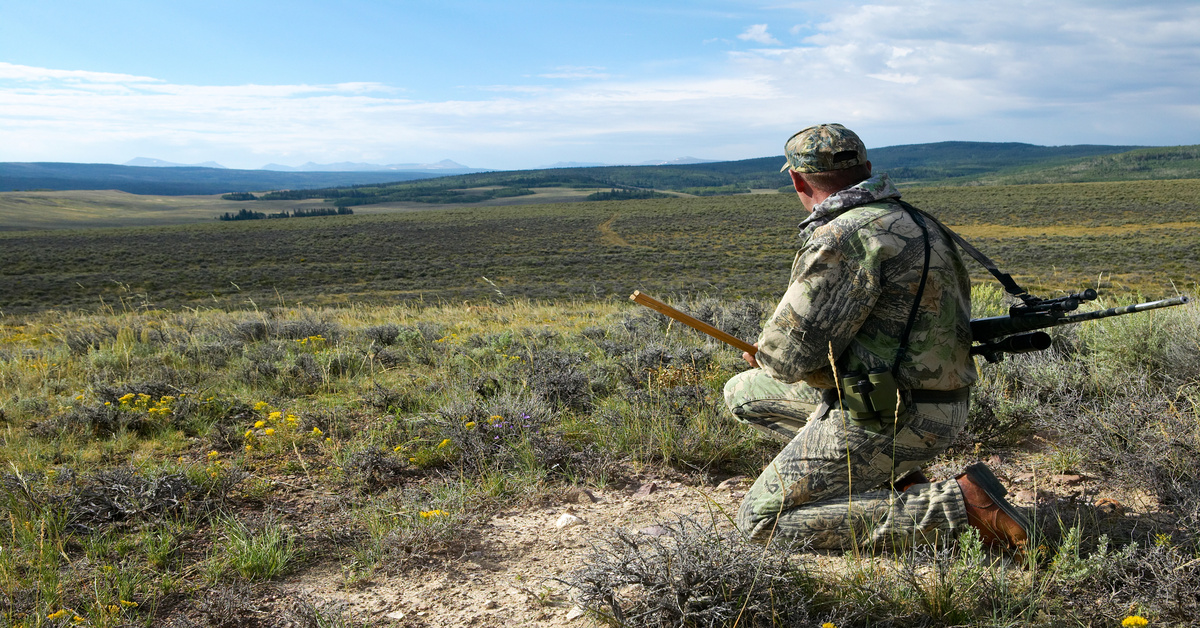
Predator hunting takes place in sage flats, prairie benches, and wind-swept pastures, where cover is scarce and every move matters. In these open spaces, clarity comes from observing how predators use terrain, wind, and pressure to survive. Understanding predator behavior in open terrain gives you a roadmap for smarter stand selection and cleaner shot opportunities. With careful reading of the land and disciplined setups, you turn empty distance into informed decisions.
Reading the Landscape
Predators, like coyotes and bobcats, are masters of using the land to their advantage. In the open country, they rely on subtle features for cover and travel.
Look for draws, creek beds, and even slight depressions in the terrain. These are natural funnels that animals use to move undetected. They will almost always choose the path of least resistance and greatest concealment, even when it seems completely exposed. By identifying these travel corridors, you can predict where a predator is likely to appear.
The Wind is Your Guide
In open terrain, the wind is one of the most critical factors. Predators possess an incredible sense of smell, and they use it constantly to detect threats and locate prey.
They will almost always approach a sound or scent from downwind or from a quartering wind. This allows them to process information before exposing themselves. Always be mindful of the wind’s direction and how it interacts with the topography. A swirling wind in a bowl or canyon can betray your position from miles away.
Hunting Pressure and Adaptation
Predators are intelligent and highly adaptable. They quickly learn to associate human activity with danger. In areas with significant hunting pressure, coyotes may become nocturnal or only respond to calls at the edges of daylight. They learn to recognize the sound of a truck and the patterns of hunters.
This is where observation becomes critical. Pay attention to how animals in your specific area react. Forget what you read in textbooks; what you see in the behavior of predators is your ultimate guide.
The Advantage of Elevation
Gaining a high vantage point is a significant advantage in open country. Elevation provides a broader field of view, letting you spot approaching animals from a greater distance. It also helps your calls travel farther and can lift your scent above a predator’s immediate path.
For truck-based hunters, investing time in building the best predator hunting high rack can offer an unparalleled mobile vantage point. This dramatically increases your effective observation area.
The hunt is a continuous process of learning and adapting. Each trip afield offers new insights into the complex lives of these animals. This dedication is the core of ethical and effective hunting. Your success depends on understanding predator behavior in open terrain.