Tips for Designing a Home That’s Both Lovely and Practical
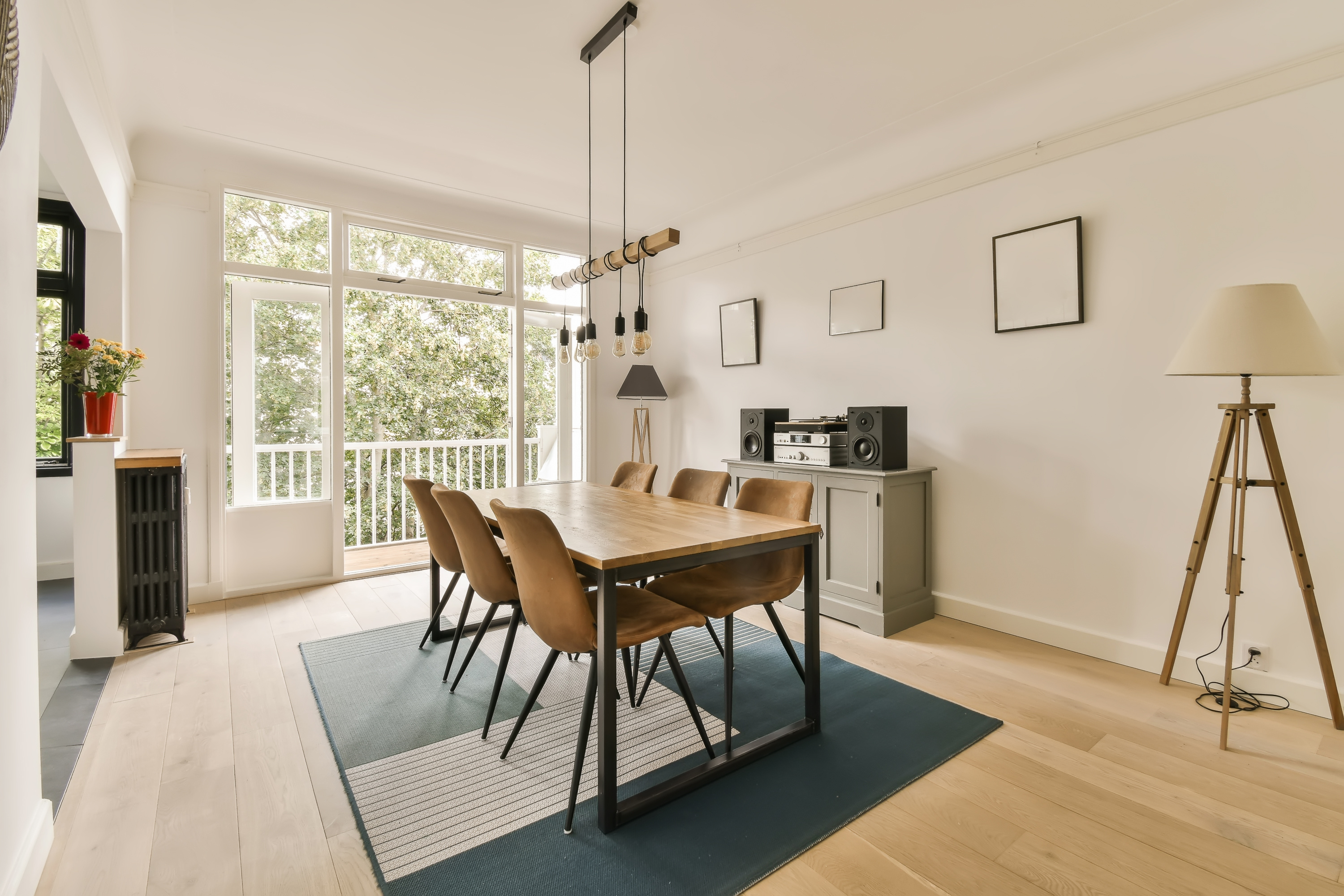
Designing a home in the early years of marriage or motherhood can be a rewarding experience. The spaces you shape will hold bedtime stories, shared meals, scraped knees, and celebrations after long days.
Ultimately, you will want a home with aesthetics that will lift the spirit and features that will help you carry the weight of daily life. This article can help you create such a residence. Read on to learn tips for designing a home that’s both lovely and practical.
Consider Your Needs
Before making any design changes to your home, consider your daily routines and the challenges you encounter most often. The spaces you move through most frequently should support your work, your rest, and your creativity. Consider where you prepare meals, fold laundry, read, pray, or enjoy a quiet cup of coffee. These everyday moments deserve thoughtful attention.
Designing with your own rhythms in mind may mean arranging furniture so you can supervise little ones while still feeling settled. When your environment supports your responsibilities and restores your spirit, you are better able to care for others. A well-designed home is not self-indulgent; it is sustaining.
Pick Durable, Lasting Materials
Your home should also feature materials that can withstand the demands of everyday family life. Although delicate fabrics and trendy finishes may look beautiful at first, they often require constant care and create unnecessary stress.
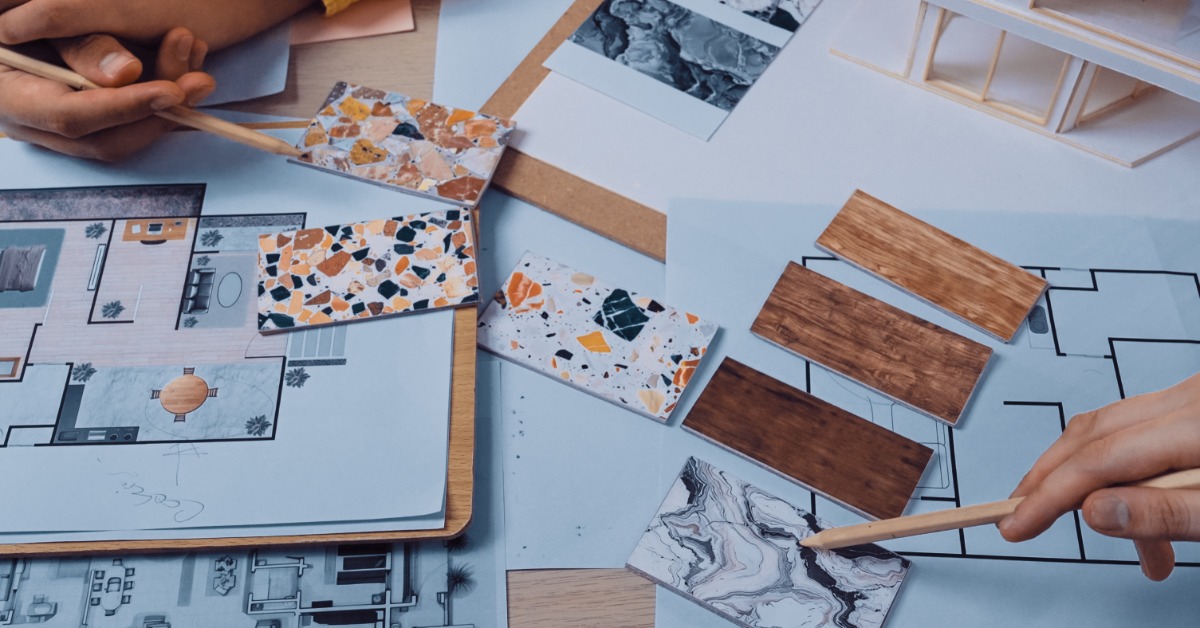
Instead, look for surfaces and furnishings that age gracefully. Solid wood furniture develops character over time, natural stone countertops resist wear, and high-quality upholstery fabrics are easier to clean and maintain.
Durability also means thinking long term. Flooring that hides scuffs, washable paint finishes, and sturdy hardware throughout the home all contribute to stability and ease. When you choose materials that can grow with your family, you can design a home that’s both lovely and practical for years to come.
Let Storage Be Both Useful and Beautiful
Instead of letting your house become dominated by clutter, pick containers that will provide your family’s items with storage and give them their own homes. However, don’t think that these products must look drab or dull.
Instead, you can pick storage containers that can be warm and inviting, adding to the look of your residence. For example, woven baskets, wooden crates, ceramic crocks, and linen-lined bins can hold toys, blankets, and books while adding texture and charm.
It is also wise to leave room for breathing space. If you fill shelves to capacity, it can look overwhelming, even if everything is technically organized. A little open space allows the eye to rest and highlights the pieces you truly love. Thoughtful storage contributes to a cozy, functional home, not by hiding life away, but by supporting it quietly.
Design Your Home With Your Children in Mind
A family-centered home does not treat children as interruptions to design; it welcomes them into it. When you place your little one’s books on low shelves and hang their art at their level, the message is clear: they belong here.
In addition, keeping a small selection of toys or activities in shared living areas allows children to stay close to you while you cook, fold laundry, or attend to other responsibilities. This fosters connection while reducing the feeling that certain rooms are “off limits.” Family-friendly home design is not about lowering standards but about shaping the environment so that beauty and childhood can coexist.
Prioritize Natural and Layered Light
Light has a remarkable ability to soften even the simplest room. Whenever possible, allow natural light to flow freely by keeping windows unobstructed and choosing airy window coverings. Mirrors placed thoughtfully across from windows can help reflect brightness into darker corners, expanding the sense of openness.
In the evening hours, layered lighting creates a sense of refuge. A softly glowing lamp in a reading nook or warm bulbs in table lamps can transform a busy family room into a peaceful retreat. Harsh overhead lighting often feels clinical, while gentle illumination invites conversation and rest. Designing with light in mind shapes not only the look of a space but its atmosphere.
Thoughtfully Arrange Your Kitchen
The kitchen often carries the daily weight of family life. Arranging this space thoughtfully can help you and your family members avoid unnecessary stress. Keep everyday dishes within easy reach and assign clear spaces for utensils and cookware so all family members can help set the table.
Small adjustments can also create lasting ease. For example, try organizing your drawers so they open smoothly or upgrading your cabinet doors with Blum soft-close hinges to protect little fingers. By handling these practical details well, your kitchen will feel less chaotic and more welcoming.
Choose Timeless Foundations
Trends can be delightful, but they shift quickly. Building your home on timeless foundations provides stability. Neutral wall colors and classic wood tones create a canvas that can evolve gracefully as your tastes mature.
Seasonal accents and small decorative touches can add freshness without requiring constant reinvention. A linen table runner in spring, a woven throw in autumn, or fresh greenery from the yard can transform a room in subtle ways. Choosing timeless over trendy protects both your budget and your peace of mind.
Leave Room for Meaningful Details
Coordinated colors or well-placed furniture do not solely define a home. Instead, the stories it holds enrich it. Framed family photographs, heirloom dishes, handwritten recipes, or a favorite verse displayed on the wall add layers of personal history to your space.
These meaningful elements remind your family who you are and what you value. They anchor the home in something deeper than appearance. Practical design keeps life moving smoothly, but personal touches make a house feel cherished and rooted.
Allow Your Home to Evolve With the Seasons
It’s also important to remember that you never have to consider your home “finished.” What serves your family well today may need an adjustment next year. A play area in the living room may later transform into a reading nook. Open shelving may eventually give way to closed cabinets as storage needs change.
Approaching design as an ongoing process encourages flexibility and grace. Instead of striving for perfection, aim for faithfulness to your family’s current needs. When beauty supports daily life rather than competing with it, your home becomes a steady companion in every season.
Designing a home that’s both lovely and practical is less about grand gestures and more about thoughtful decisions made day by day. By honoring your family’s rhythms, choosing durable materials, and weaving beauty into functional systems, you create a space that nurtures both heart and home.