The Hidden Challenges of Buying Land Outside City Limits
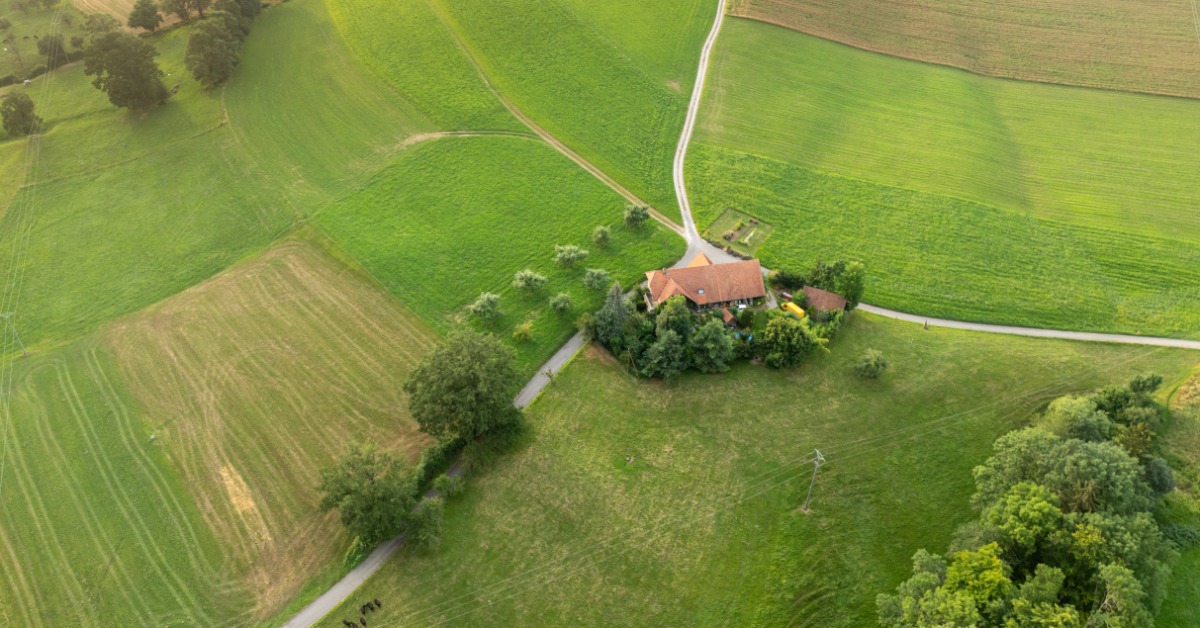
Buying land outside city limits often feels like a strategic and forward-thinking decision. Larger parcels, increased privacy, and lower prices per acre can make rural property seem like an obvious value compared to homes in urban areas. For those who love the sound of that, undeveloped land can be how you unlock your potential and experience true freedom.
However, it’s important to know that purchasing rural land is fundamentally different from buying an existing home in a developed neighborhood. Infrastructure is not guaranteed, access may not be straightforward, and development costs can quickly exceed initial expectations. Understanding the hidden challenges of buying land outside city limits before making an offer allows you to evaluate whether the property truly aligns with your financial goals and long-term plans.
Zoning Restrictions and Land Use Limitations
A common misconception is that land outside city limits comes with unlimited freedom. In reality, counties and local municipalities still enforce zoning regulations in these areas that control how you can use your property. These rules determine whether land qualifies for residential construction, agricultural use, recreational purposes, or commercial development.
Zoning ordinances often include minimum dwelling sizes, setback requirements from property lines, and limits on accessory structures. Some rural properties are also subject to deed restrictions that prohibit mobile homes, certain exterior materials, or specific types of business activity. Failing to confirm these limitations can result in purchasing land that isn’t suitable for your intended project.
Environmental regulations can further restrict development. Floodplain designations, wetlands, protected habitats, and conservation easements may reduce the amount of buildable land. In some cases, environmental impact studies or additional permits are required before construction can begin, adding both cost and time to the process.
Utilities Are Rarely Simple
In developed neighborhoods, utilities are typically available at the street. Outside city limits, those services often do not exist, and installing them becomes the property owner’s responsibility. It’s crucial to evaluate water, sewer, electricity, and internet access before purchasing the land.
Most rural properties require a private well and septic system. Septic installation depends on a successful percolation test to ensure the soil can safely absorb wastewater. If the soil fails testing, alternative systems may be required, which can significantly increase installation costs and affect where you can build a home.
Well drilling expenses vary based on depth, terrain, and regional water tables. In addition to drilling costs, water quality testing is necessary to confirm that the supply is safe for drinking and household use. Buyers should request local estimates rather than relying on general assumptions about cost.
Electrical service may require extending power lines from the nearest connection point. Depending on distance and terrain, this extension can cost thousands of dollars before construction even begins. Internet access should also be confirmed, especially for buyers who rely on remote work, online schooling, or consistent connectivity.
Road Access and Maintenance Responsibilities
Something else you must do is verify access to the property, both legally and physically. Some parcels are landlocked, meaning they do not directly connect to a public road and rely on easements across neighboring land. Without properly recorded legal access, ownership can become complicated and even unusable.
Even when legal access exists, your nearby municipality may not provide routine maintenance. Many private roads often require shared maintenance agreements between neighboring property owners. Costs for grading, gravel replacement, drainage repair, and snow removal may be ongoing and unpredictable.
Seasonal conditions can also impact usability. Heavy rain, flooding, mud, or snow accumulation can make certain rural roads temporarily impassable. Buyers should consider whether the property remains accessible year-round, particularly in emergencies.
Financing and Insurance Can Be More Complicated
Financing raw land is typically more complex than financing an existing home. Lenders often view undeveloped land as a higher-risk investment, which may result in larger down payment requirements and higher interest rates. Some financial institutions offer specialized land loans with shorter repayment terms, but in order to ensure access to these, you’ll need to know what banks look for when financing rural land.
Appraisals for rural property can be difficult when comparable sales are limited. In low-transaction-volume areas, determining accurate market value becomes more challenging. This can influence loan approval amounts and require additional documentation during underwriting.
Insurance coverage may also vary based on location and intended development. Properties located in wildfire-prone or flood-prone regions may require specialized policies or higher premiums. Buyers planning to build must also coordinate construction loans and builder’s risk insurance, which adds another administrative layer.
Hidden Development Costs Beyond the Purchase Price
The advertised purchase price of land rarely reflects the full cost of making it build-ready. Site preparation often includes clearing trees, removing debris, grading uneven terrain, and stabilizing soil. These improvements can significantly increase the total investment required before construction begins.
Soil composition plays a major role in foundation design. Certain soil types may require engineered foundations or additional reinforcement to ensure long-term structural stability. You may also need to install drainage systems to prevent erosion or water damage during heavy rainfall.
Driveway installation is another expense that buyers frequently underestimate. Long rural driveways require excavation, gravel, or paving materials, all of which add to initial costs. You need to factor permit fees, inspection charges, and potential impact fees into your overall development budget.
Long-Term Practical Realities of Rural Living
The final hidden challenge of buying land outside the city is recognizing that it’ll greatly affect your daily routines and long-term planning after the fact. Emergency response times are often longer than in urban environments, which may influence safety considerations and insurance evaluations. Access to basic services such as healthcare, schools, and retail stores may require extended travel.
Fuel costs and vehicle wear can increase due to longer commutes. Buyers who plan to live on the property full-time should evaluate how distance from employment and essential services will affect their lifestyle. You’re often trading convenience for privacy and space.
Property maintenance responsibilities are typically greater on larger parcels. Fencing, mowing, pest control, and general land management require both time and financial commitment. These ongoing obligations should be considered as part of the overall cost of ownership.
Resale potential is another practical factor. Rural land may take longer to sell because the buyer pool is smaller than in urban markets. While property values can appreciate over time, liquidity is not guaranteed, making careful financial planning essential.