Signs You Need to Upgrade Your Production Line
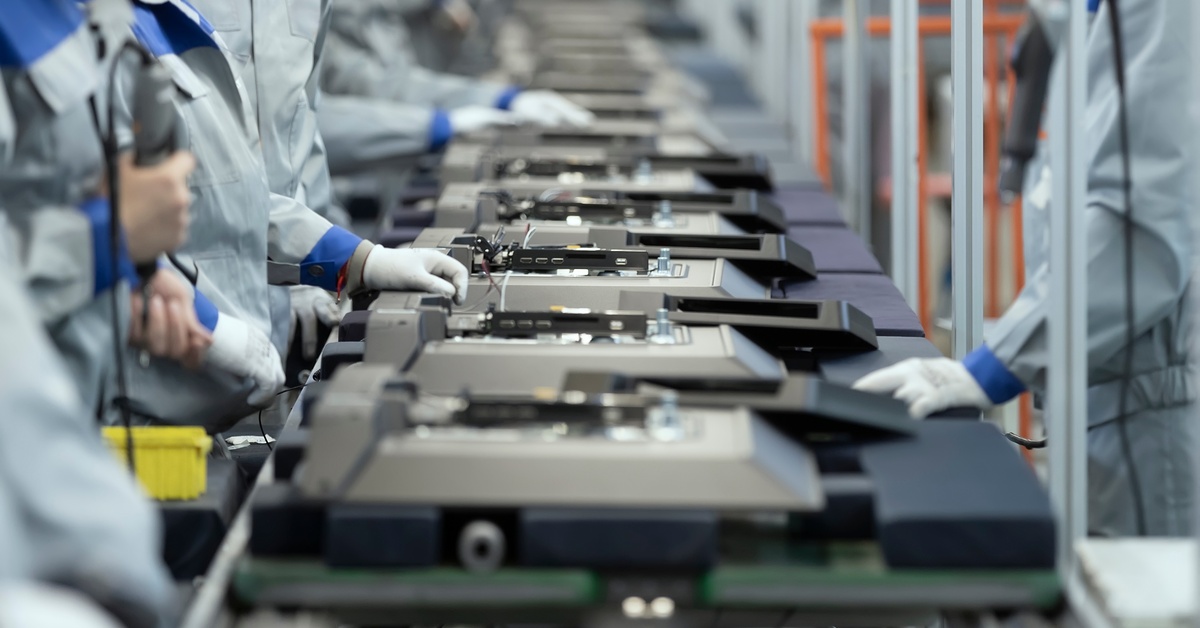
Production lines don’t fall apart overnight. They wear down, slow down, and start to cost more than they should. If your team spends more time fighting equipment than producing parts, it’s time to take a hard look at what’s going on. Signs you need to upgrade your production line don’t always shout at you, but they do show up in your daily numbers and workflow. If any of this feels familiar, explore your options and see what an upgrade could do for your operation.
Output Stalls Even Though Demand Rises
You’ve landed more work, which is great. The problem is your equipment can’t keep up. Machines that once handled your workload with ease now sit at full capacity all day, leaving no room for growth.
Production caps out, overtime increases, and deadlines feel tighter every month. That kind of pressure spreads across your shop floor. A modern vibratory finishing system or upgraded tank can boost throughput without forcing your crew to stretch thin. Plus, knowing how to troubleshoot parts sticking in vibratory tanks will help you keep the system productive and reliable. Growth should feel exciting. If it feels stressful, your production line may hold you back.
Maintenance Bills Keep Climbing
Every machine requires upkeep. That’s part of the deal. The trouble starts when repairs become routine rather than rare.
Frequent breakdowns drain your budget and morale. Replacement parts add up. Technicians shouldn’t spend hours troubleshooting instead of keeping operations smooth. Your team will lose trust in equipment that should support them.
Newer systems bring improved durability and smarter design. Less downtime translates to more predictable output and fewer emergency fixes.
Labor Costs Continue to Rise
Manual adjustments and hands-on oversight add hidden expense. If operators constantly monitor cycles, shift loads around, or intervene mid-process, productivity drops. Modern production systems offer better automation and more intuitive controls.
They free up skilled employees so they can focus on tasks that require real expertise. Labor shouldn’t compensate for outdated machinery. Equipment should support your crew, not slow them down.
Downtime Disrupts Your Schedule
Unplanned stops ripple through your entire operation. One stalled machine can delay shipping, disrupt downstream processes, and strain customer relationships. If downtime appears more than it should, you lose momentum.
Clients expect steady turnaround, suppliers expect consistent demand, and your team expects reliable tools. Upgraded production equipment brings stronger build quality and modern engineering. That kind of reliability builds confidence across your workflow.

You Struggle to Integrate New Technology
Manufacturing evolves. Digital monitoring, process tracking, and improved material science continue to shape the industry. If your current setup can’t adapt, you risk falling behind.
Older equipment rarely integrates with newer tracking systems. Don’t fall into a habit where data remains manual and process insights stay limited. You miss opportunities to refine cycle times and reduce waste. Upgrading opens the door to smarter production management. Data becomes accessible, and adjustments become precise.
Energy Use Keeps Increasing
Older machinery consumes more power than necessary. Motors operate less efficiently, and the overall design lacks the refinements found in newer systems. This results in energy bills creeping upward, costs per parts increasing, and sustainability goals feeling out of reach.
Modern systems run with greater efficiency. Lower energy consumption cuts expenses over time and supports environmental goals. Small improvements per cycle add up fast across thousands of parts.
Expansion Feels Impossible
You may want to add product lines or take on larger contracts, but your current setup leaves no room to expand. This is one of the clearest signs you need to upgrade your production line. Don’t let floor space fill up with outdated units that deliver limited output. Newer machines offer higher capacity in more compact designs. That flexibility allows you to scale without doubling your footprint.
Quality Control Requires Constant Attention
If quality control feels reactive rather than proactive, equipment could be part of the issue. You’ll notice this when teams inspect parts more frequently because they don’t trust consistency. Supervisors will spend time double-checking work that should run smoothly, and rework will become routine. An upgraded system delivers stable cycle times and repeatable results. That level of dependability allows quality control teams to focus on refinement rather than correction.
Competitors Deliver Faster Turnarounds
Market pressure doesn’t slow down. Competitors invest in new equipment and streamlined processes. They quote shorter lead times and maintain steady quality. If customers start asking why your timelines run longer, it’s worth looking inward. Production speed affects reputation, but investing in upgraded hardware can close that gap.
Your Team Feels Frustrated
Equipment impacts morale more than you may realize. Operators who fight machinery every day lose enthusiasm because work feels harder than it should. A smoother production line boosts confidence.
Employees notice when equipment runs clean and reliable cycles. That positive shift improves overall shop culture. Retention improves when people feel supported by the tools around them.

You Spend More on Short-Term Fixes Than Long-Term Strategy
Temporary solutions can carry you for a while. Patch repairs, minor retrofits, and extra labor might keep production afloat. At some point, those short-term fixes cost more than a strategic upgrade.
Calculate what you’ve spent over the last year on repairs, delays, and overtime. Compare that number to the investment required for new equipment. The math speaks clearly in many cases. Upgrading becomes a smarter financial decision than holding onto aging machinery.
Safety Concerns Begin to Surface
Older equipment can lack updated safety features. Guards wear out, emergency stops function inconsistently, and noise levels rise beyond comfort. One or all of these factors can strike your machines.
Workplace safety influences insurance costs and employee well-being. Modern machines include improved safety designs that protect your crew and reduce liability. A safer production line supports productivity and peace of mind.
Take the Next Step Toward a Stronger Production Line
Upgrading equipment can feel like a large commitment. The payoff appears in steadier output, lower downtime, and better part quality. Over time, that investment strengthens margins and customer relationships.
If you’ve recognized several of these patterns in your shop, don’t wait for a breakdown to force your hand. Review your current setup, assess your growth goals, and talk with experts who understand your systems inside and out. A production line should support your growth, not limit it.