5 Surprising Challenges of Building Near the Coast
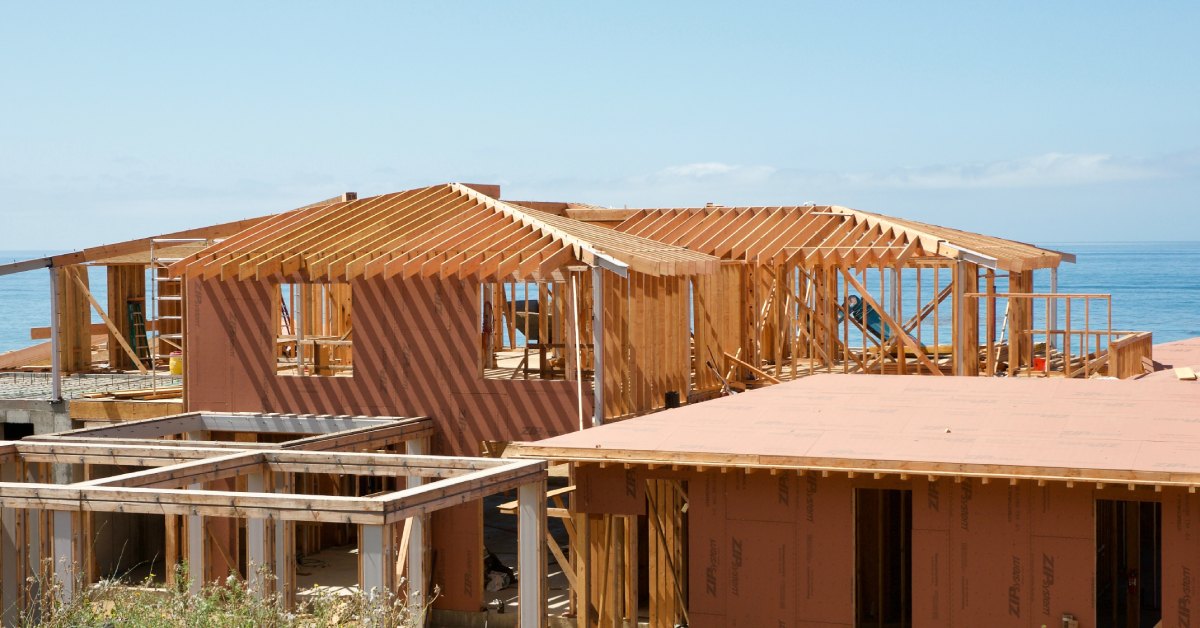
Building near the coast comes with a unique set of obstacles that many contractors may not anticipate. While salt air and storms often come to mind, there are lesser-known issues that can impact the longevity and safety of coastal structures.
Here’s a closer look at five surprising challenges of building near the coast and why each requires careful attention.
1. Soil Instability and Erosion
One of the most overlooked challenges concerns the ground beneath a structure. Coastal soils contain sand, silt, and other organic materials that shift easily, posing a risk to foundations. This is one of the many reasons soil sampling is important in construction, asit helps determine soil composition and bearing capacity before any building begins. Without thorough soil analysis, foundations may settle unevenly or fail prematurely.
In addition, coastal erosion can gradually remove supporting earth around a building’s base. Designers must plan for erosion control measures, such as retaining walls or anchoring vegetation, to maintain soil stability. Ignoring this can result in structural damage over just a few years.
2. Corrosion From Salt Air
Salt particles in coastal air accelerate corrosion on metal surfaces. This affects everything from fasteners and roofing materials to HVAC systems and window frames. The increased rate of rust collection means materials deteriorate faster than they would inland.
To combat this, builders often select corrosion-resistant alloys and coatings. Maintenance schedules must also include inspecting metal components to catch early signs of rust. Delaying such upkeep leads to expensive replacements and compromises structural integrity.
3. Unpredictable Weather Patterns
Coastal weather is not only stormy but also can vary drastically within short distances due to microclimates. Sudden shifts in wind speed or direction place extra stress on roofs and exterior walls. Likewise, heavy rains require well-planned drainage systems to prevent flooding and water damage.
Planning for these conditions means using wind-resistant materials and installing drainage that handles large volumes of water, particularly during hurricane season. Small errors in weatherproofing can cause major problems over time.
4. Limited Access and Logistics
Transporting materials and equipment to coastal sites often proves more difficult than contractors expect. Narrow roads, fragile dunes, or protected wildlife habitats may restrict the size and timing of deliveries. Limitations such as these can extend construction timelines by days or even weeks.
Moreover, the placement of heavy machinery, such as cranes or lifts, requires careful planning. The ground’s softness near the coast might not support the weight without additional reinforcement, adding complexity and cost.
5. The Need for Long-Term Maintenance
The challenges don’t end when construction finishes. Coastal buildings demand ongoing attention to maintain their condition. Scheduling inspections for signs of salt damage, foundation shifts, and corrosion helps catch these issues early.
Adopting this preventive mindset stops minor problems from growing into major repairs. Homeowners should budget for consistent upkeep as part of living near the coast.
Recognizing these five surprising challenges of building near the coast is just the beginning of responsible coastal construction. By addressing each concern with proven solutions, you can erect more dependable structures.