4 Ways To Use Pneumatic Parts on Airplanes
Modern aviation relies heavily on pneumatic systems to ensure safe and efficient flight operations. Pneumatic parts, which use compressed air to generate power and control various aircraft functions, are essential components that pilots and passengers depend on every day.
From maintaining cabin comfort to ensuring critical safety systems function properly, these air-powered mechanisms play a vital role in aircraft operation. Understanding the ways to use pneumatic parts on airplanes highlights their importance in keeping flights running smoothly and safely.
De-Icing Systems Keep Aircraft Safe in Winter Conditions
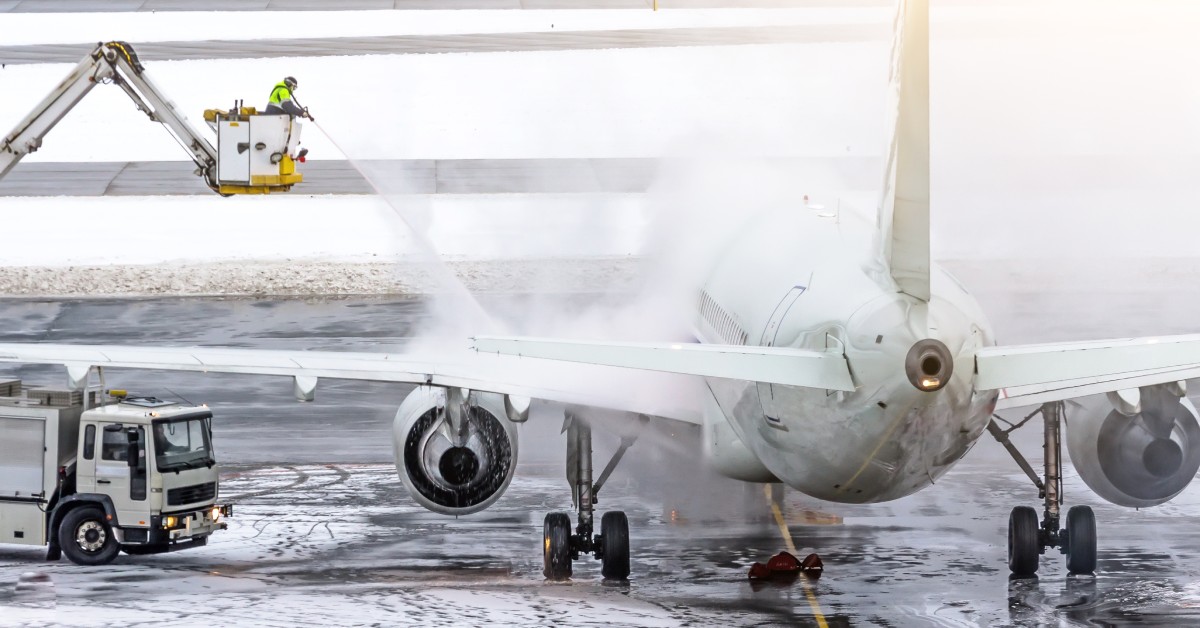
One of the most critical ways to use pneumatic parts on airplanes is to prevent dangerous ice buildup on wings and engines. When aircraft encounter freezing conditions, ice can form on critical surfaces, disrupting airflow and potentially causing catastrophic flight control issues.
Pneumatic de-icing systems use compressed air to inflate rubber boots installed along the leading edges of wings and tail surfaces. These boots rapidly expand and contract, cracking and removing ice formations before they become hazardous. This system has proven highly effective and remains a standard safety feature on many commercial and private aircraft.
Air Conditioning Systems Maintain Cabin Comfort
Pneumatic systems are fundamental to aircraft air conditioning, ensuring passenger and crew comfort throughout the flight. These systems draw compressed air from the engines and process it through environmental control systems to regulate temperature and air quality in the cabin.
The process involves cooling hot compressed air and distributing it throughout the aircraft’s interior spaces. Using a particulate filter in your airplane ensures that the air circulating through the cabin remains clean and free from contaminants. This contributes to a healthier flying environment for everyone on board.
Engine Starting Requires Pneumatic Power
Pneumatic systems provide the substantial power required to start large aircraft engines. Ground-based air carts or auxiliary power units supply compressed air to turn the engine’s starter motor, initiating the combustion process.
This method is more efficient and reliable than electrical starting systems for larger engines, ensuring consistent engine startup even in challenging weather conditions. The high-pressure air provides the necessary torque to overcome the engine’s compression and get the turbines spinning at the required speed for ignition.
Landing Gear Operation Depends on Pneumatic Systems
Aircraft landing gear systems frequently utilize pneumatic power for deployment and retraction operations. These systems provide the substantial force needed to raise and lower heavy landing gear assemblies while maintaining precise control throughout the process. Pneumatic actuators ensure smooth operation and provide backup systems in case of primary hydraulic system failures, adding an extra layer of safety to critical landing gear functions.
The versatility and reliability of pneumatic parts make them indispensable in aviation applications. Whether you’re planning your next flight or considering aircraft maintenance needs, understanding these systems helps you appreciate the complex engineering that keeps modern aviation safe and efficient.